







While many deaths due to opioid overdoses are accidental, there a growing body of evidence that some cases were intentional and that the presence of pain played a role in the decision to end life.
While many deaths due to opioid overdoses are accidental, there a growing body of evidence that some cases were intentional and that the presence of pain played a role in the decision to end life.
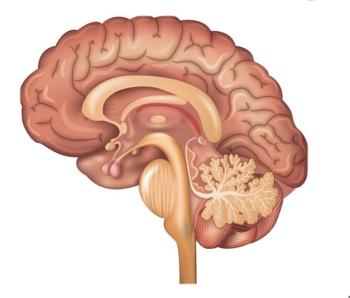
The recent increase in suicides highlights the urgent need for better treatment of severe depression. ECT is an intervention proven to reduce suicidality, yet it is underused because of the associated stigma.

The authors discuss two fundamental misconceptions: the myth of the patient’s autonomy, and the myth of the incurability of the patient’s illness.

Walter Benjamin’s suicide is especially interesting as a bridge from the Freudian psychosocial era of hysteria-neuroses to the current era of the borderline-narcissist.

Where are the crusading editorial boards who decide that the inadequacy of mental health care is such a public health emergency that ongoing investigative journalism is needed?
Like the song New York, New York, if we can succeed in reducing suicide in physicians, we can do it anywhere.

The thorny issue of “end-of-life care” is likely to remain controversial in the US, with physicians themselves holding a wide variety of views.

In this podcast, Dr Mark Komrad explores the relatively new Medical Aid in Dying (MAID) law in Canada, and how it may be on the verge of opening medical euthanasia to certain qualified psychiatric patients

A clinical psychiatrist and medical ethicist reviews some of the history, the data, the emerging reality of a remarkable slippery slope, and some profound ethical concerns raised by these practices.

No better time than the summer to digest and reflect on the richness of our field and how we can implement advances in our own work.

In the final part of our discussion with Janae Sharp, Janae further discusses the loss of her physician husband to suicide and how best to support others through grief.

In the second part of our Psyched! podcast interview, Janae Sharp discusses why she feels she has been a different kind of voice for physician suicide awareness.

A physician suicide loss survivor shares her story of grief after losing her husband as well as her experience telling her 3 children about it and why she feels compelled to create "better memories" for them.

Charles Nemeroff, MD, PhD argues for psychiatrists to consider obtaining inflammatory marker labs on every patient that they see.

This article summarizes literature on post-disaster mental health and describes the public health crisis in Puerto Rico. Special attention is given to highlight higher suicide rates and PTSD that develop in post-disaster areas.

In US states where physician-assisted suicide is now legal, what is required prior to a physician prescribing a lethal aid-in-dying drug?

Between 2006 and 2016 the overall US suicide rate went up from 10.97 to 13.26 per 100,000 people. Those numbers may seem small, but they reflect an increase of just over 20% in these 10 years.

The media has tremendous power in delivering messages to the public about mental illness. This year, the media got it wrong.

If you haven’t seen the series or heard media coverage about it, the 13 reasons are a series of 13 audiotapes made by the character, Hannah Baker, to be listened to by the 13 people she felt in some way contributed to her decision to kill herself.

Physician-assisted suicide is now legal in several states. But none of the state statues mandates a mental health evaluation by a psychiatrist or psychologist before the writing of a lethal prescription by an attending physician.

A psychiatrist realizes he is completely powerless against his patient's opiate addiction.
Which patients are at greatest risk for premature death following discharge?

There are no simple solutions to the plight of the terminally ill patient. With commentary by Cynthia Geppert, MD.
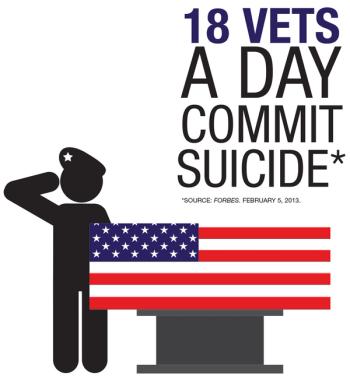
It would be logical to attribute the surge of suicides in the military to simultaneous prolonged engagement in combat, repeated deployments, and attendant stress. But studies have failed to connect deployments to suicide risk.

The APA's historic Position Statement provides guidance for psychiatrists in the face of a rapidly changing landscape of social values and expectations of medical services. Details here.