



PTSD
Latest News
Advertisement
Latest Videos
CME Content


Advertisement
More News
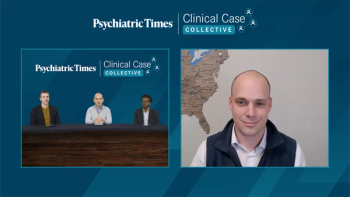
A patient discusses their struggles coming to terms with a posttraumatic stress disorder (PTSD) diagnosis after multiple traumatic events, detailing their initial resistance to seeking help, the breakthrough moments in therapy that led to acceptance, and their ongoing journey of healing through various treatment approaches.
A panelist discusses how effective posttraumatic stress disorder (PTSD) management requires a comprehensive, individualized approach combining evidence-based treatments, ongoing support systems, lifestyle modifications, and regular monitoring of progress while acknowledging that recovery is often a gradual process requiring patience, persistence, and collaboration between health care providers and patients.
A panelist discusses how emerging posttraumatic stress disorder (PTSD) treatments, including psychedelic-assisted therapy, neurofeedback, transcranial magnetic stimulation, and virtual reality exposure protocols, show promising results in clinical trials while offering new hope for treatment-resistant cases.
Learn more about best practices when treating comorbid trauma and psychosis.

Let’s compare treatment risks when managing mixed states.

Here are 4 means of coping with the diagnostic uncertainty of bipolar mixed states.

Traumatic life events are common among individuals who experience psychosis. Here's how best to assess and treat.

How can you distinguish bipolar mixed states? Stay tuned in this short series.

Patients who have experienced a perinatal loss are at increased risk of MDD, anxiety disorders, and trauma-related disorders.

There is still no formal or professional recognition of complex PTSD as a very different disorder than what DSM-5-TR describes for PTSD.

Enter your email to check out this complicated case!

Is the complex posttraumatic stress disorder diagnosis being used to avoid the diagnosis of borderline personality disorder?

Psychedelics: we first must enlarge our knowledge of how these work, what clinical conditions should be targeted, and how different psychedelics compare to each other.
The FDA instead issued a CRL for MDMA-assisted psychotherapy for PTSD, requesting an additional phase 3 trial to examine safety and efficacy. Other psychedelic compounds are proceeding with trials for psychiatric conditions. Learn more here.

Learn more about the latest research related to 9/11 trauma and other psychiatric comorbidities.
While new treatment options in the PTSD space can be exciting, we cannot lose sight of the treatments that are already readily available.

In this CME article, learn more about how to assess the impact of alcohol and cannabis use on anxiety treatment outcomes, recognizing potential adverse effects and interactions.

Is PTSD overdiagnosed?
A phase 3 clinical trial participant shares her thoughts on MDMA-assisted psychotherapy and her trial experience.
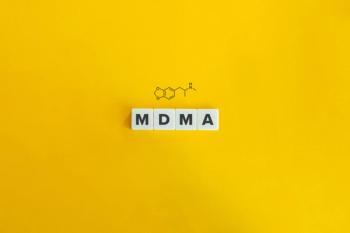
Despite the FDA's complete response letter for MDMA-assisted psychotherapy, researchers believe the data behind this PTSD treatment is what matters most.

How can you best identify and manage pediatric PTSD?

At least 1 in 2 people experience trauma at some point in their life, and a subset of those individuals will develop PTSD.
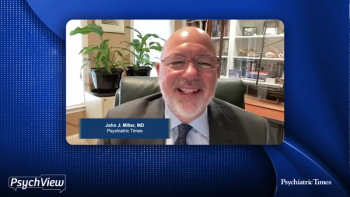
Focusing on the future of PTSD treatment, Dr John Miller outlines how novel treatments can address current challenges and unmet needs in the therapeutic landscape.
John J. Miller, MD, provides an overview of the symptom clusters of PTSD and treatments that are being looked at to improve patient care.
The Psychiatric Times editor-in-chief shares perspectives on how a novel treatment, MDMA-assisted therapy, can potentially change the treatment landscape and improve patients’ lives.
Advertisement
Advertisement
Trending on Psychiatric Times
1
Depression and Long COVID Outcomes in Women: New Data Analysis
2
Artificial Intelligence, Job Loss, and the Psychiatric Significance of Work
3
Patterns of Propensity: A Review of Heinrichs’ How Psychiatrists Make Decisions
4
Investigational Psilocybin for PTSD and Ongoing Trials
5