




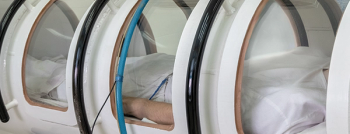
HBOT can bring about dramatic improvement in many neurological conditions for which we have had very little to offer other than palliative care.
HBOT can bring about dramatic improvement in many neurological conditions for which we have had very little to offer other than palliative care.
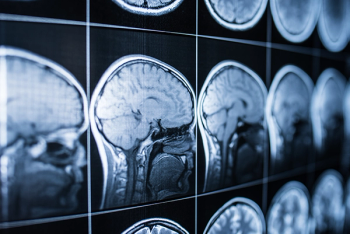
This Special Report addresses several specific areas of concern that are of importance to psychiatrists: Can depression be prevented after traumatic brain injury? What are the risks? Are there special issues involved in treatment?

Traumatic brain injury (TBI) is a public health epidemic. Psychiatric symptoms after TBI are not just common, but also troublesome.

The association between traumatic brain injury and negative psychiatric outcomes has a relatively long history. A review of the current state of the science and strategies for intervention.

Across all age groups, an estimated 5.3 million Americans are living with a TBI-related disability. Many of these individuals will live to be older adults.

The chronic and relapsing course of TBI-associated depression poses a challenge to the management of afflicted patients.
Although psychotic illnesses are fortunately rare in children, contrary to common belief, psychotic symptoms can be fairly common in very young healthy children.

Test your knowledge on traumatic brain injuries (TBI) and their resultant effects on cognitive function and mental health.

While some psychiatrists may doubt the connection between climate disruption and psychiatric disorders, the evidence is growing stronger every day.

What do functional magnetic resonance neuroimaging findings reveal about the neurobiology of borderline personality disorder? Take the quiz and learn more.
Peter F. Buckley, MD introduces part 1 of our Special Report on schizophrenia.

In medical publishing, the casebook format has become increasingly popular-and for good reason. A new casebook focuses on the overlap of neurology and psychiatry in child practice.
These three recent trends in ADHD neuroimaging may lead to objective tools for diagnosis as well as stimulate discovery of novel therapeutics.
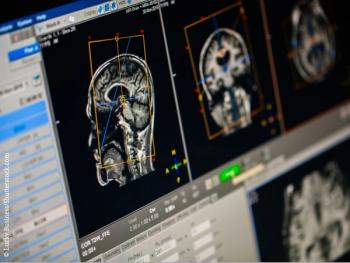
Recent advances in EEG technology may one day be used to measure brain function throughout a patient’s lifespan, resulting in earlier diagnoses of psychiatric disorders.
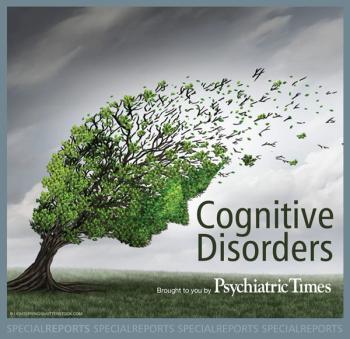
Cognitive problems have historically been the last to be recognized and treated in the clinical setting.

Contemporary psychiatric genetics has come a long way. While the strong familial and hereditary basis of psychiatric illness has been known for almost a century, understanding the molecular underpinnings has proven to be the hard part.

This article present some of the highlights from talks and presentations at this year’s American Neuropsychiatric Association Annual Meeting.
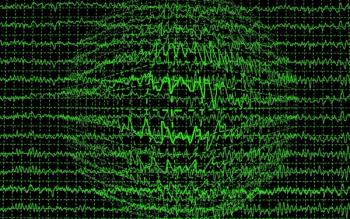
Schizophrenia and bipolar disorder are not diagnosable if the patient has epilepsy that produces hallucinations or delusions. This article describes how several such patients presented in psychiatric practice.

Many people with psychiatric disorders engage in creative activities, from informal hobbies to highly accomplished careers, but some avoid treatment entirely. Two cases illustrate a nuanced approach that integrates medical knowledge with patients’ perspectives.
It is time for the psychiatric and wider medical world to embrace lessons from the growing science of resilience to treat the wide range of stress-related medical and psychiatric disorders more effectively.
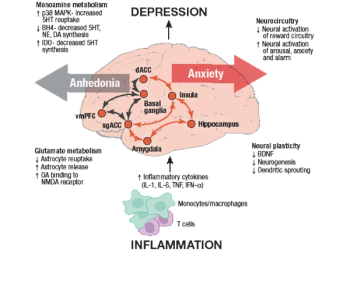
Immunologic processes may play a pivotal role in the development and maintenance of psychiatric disorders, opening an entire new avenue for novel strategies to prevent and treat psychiatric disease.
High levels of vitamin D-binding protein may hold promise for use as a diagnostic biomarker of pediatric BD.
This exclusive interview covers the importance of interaction and measurement in learning for patients and physicians. What makes interaction in a learning environment difficult for people? Can doctors "learn" to tolerate that not every patient likes them?

Neuroscience education for psychiatrists and the general public are covered in this interview with the Vice Chair for Education and Director of Resident Education in the department of psychiatry at Columbia University.

Are we happier when we don’t eat sugar or gluten and should we all be gluten-free?