Panelists discuss how the recent FDA-approved treatments for postpartum depression (PPD), including zuranolone and brexanolone , offer new options for rapid symptom relief and improve the management of severe PPD cases.

Panelists discuss how the recent FDA-approved treatments for postpartum depression (PPD), including zuranolone and brexanolone , offer new options for rapid symptom relief and improve the management of severe PPD cases.

A panelist discusses how a posttraumatic stress disorder (PTSD) diagnosis in clinical settings requires a comprehensive evaluation process that includes gathering detailed trauma history, assessing current symptoms through validated assessment tools, conducting differential diagnosis to rule out other conditions, and considering cultural and contextual factors that may influence symptom presentation.

A panelist discusses how clinicians employ a range of diagnostic tools for posttraumatic stress disorder (PTSD) assessment, including structured clinical interviews, standardized questionnaires such as the PCL-5, trauma screening instruments, and detailed behavioral observations to ensure accurate diagnosis and appropriate treatment planning.

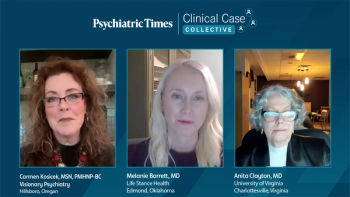
Melanie Barrett, MD; Anita Clayton, MD, and Carmen Kosicek, MSN, PMHNP-BC, discuss how postpartum depression affects up to 1 in 7 new mothers, presenting with symptoms like persistent sadness, anxiety, and difficulty bonding with the baby, yet remains underdiagnosed and undertreated despite being highly treatable through therapy, medication, and support systems.

An FDA committee recently decided the clozapine REMS protocol was no longer necessary. How will this impact clinicians?

Panelists discuss how postpartum depression (PPD) is recognized and managed, highlighting current diagnostic practices, treatment options, and the role of emerging therapies in improving outcomes for affected individuals.

A panelist discusses how diagnosing posttraumatic stress disorder (PTSD) presents unique challenges due to symptom overlap with other mental health conditions, varying presentation across different populations, and the often-delayed onset of symptoms following traumatic events.

A panelist discusses how posttraumatic stress disorder (PTSD) manifests through a complex web of symptoms, including intrusive memories, nightmares, hypervigilance, emotional numbness, and avoidance behaviors that significantly impact daily functioning and quality of life.


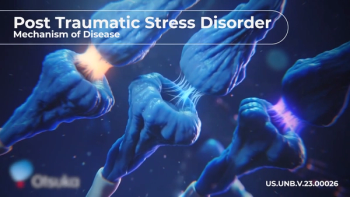
A panelist discusses how posttraumatic stress disorder (PTSD) alters key brain regions, such as the amygdala and hippocampus, with genetic predisposition, severity of trauma exposure, and lack of social support serving as critical risk factors that can influence both the likelihood of developing the condition and its neurobiological impact.

A panelist discusses how posttraumatic stress disorder (PTSD) permeates modern society at multiple levels, from individuals coping with personal trauma to collective trauma responses that shape community behaviors and social structures.

You've heard of social capital and financial capital... but what about psychiatric capital?


Gus Alva, MD, DFAPA; Carmen Kosicek, MSN, PMHNP-BC; and Roger McIntyre, MD, FRCPC wrap up the conversation discussing optimizing treatment response with a focus on rapid-acting antidepressants (ADTs), including real-world patient responses and clinical study data. They address patient education, treatment expectations, titration, and follow-up strategies to enhance treatment optimization and outcomes.

The authors of the Clinician's Corner column discuss the latest FDA-approved treatment for schizophrenia.

A panel of mood disorder experts explore the challenges of treatment-resistant depression (TRD), including defining TRD, managing partial improvement, and addressing adverse reactions. They discuss the role of glutamate in TRD, efficacy and safety considerations from clinical trials, treatment half-life, and real-world experiences with pharmacovigilance.

Experts in the management of depression discuss managing unsatisfactory responses in chronic MDD, focusing on anhedonia and its role in disability. They explore strategies to improve treatment outcomes and address the persistent challenges faced by patients with chronic depressive symptoms.

Gus Alva, MD, DFAPA; Carmen Kosicek, MSN, PMHNP-BC; and Roger McIntyre, MD, FRCPC delve into FDA-approved rapid-acting treatments for MDD and TRD, focusing on the sigma-1 agonist and its pharmacodynamics. They explore treatment indications, the rapid onset of action, and how these innovations address unmet clinical needs and shift the treatment paradigm for newly diagnosed depression

Experts in the management of mood disorders discuss the challenges of treatment failure and achieving symptomatic remission in MDD. They examine the efficacy of antidepressant and rapid-acting treatments, offering insights into evaluating and enhancing treatment outcomes.

Gus Alva, MD, DFAPA presents the case of a patient with recurrent MDD, and the panel explores treatment approaches, comments on the condition triggers, and challenges in managing persistent depression.

Experts in affective disorders discuss the pathophysiology, genetic components, and neurocircuitry involved in these conditions. They delve into treatment nomenclature and patient conversations, focusing on how to target specific brain areas, assess responses, and manage treatments to improve quality of life and hedonic tone

Experts in the management of depression provide insights into understanding medication mechanisms, assessing when treatments are effective, and navigating therapy adjustments to optimize outcomes and complement various MOAs

Carmen Kosicek, MSN, PMHNP-BC shares her insights into insurance coverage, the role of specialty pharmacies, and patient advocacy efforts to improve access to novel MDD therapies.

Experts in the management of mood disorders comment on how to assess and quantify treatment response in MDD, focusing on effective measurement strategies to guide clinical decisions

A patient suffering from MDD, shares his story and the rapid benefits of patient experience with NMDA-targeted therapy, commenting on the tremendous quality of life benefit.

Gus Alva, MD, DFAPA; Carmen Kosicek, MSN, PMHNP-BC; and Roger McIntyre, MD, FRCPC, focus on social determinants of health and MDD commenting on treatment augmentation, and integrative approaches like social prescribing.

A panel of depressive disorder experts examines the need for updated APA treatment guidelines related to major depressive disorder, highlighting the roles of pharmacotherapy, psychotherapy, and combination therapy based on severity.

Experts in the management of mood disorders comment on the evolving management of major depressive disorder, emphasizing findings from the STAR*D trial, updated treatment guidelines, and the role of precision medicine and the shift toward personalized, rapid-acting treatments to improve patient outcomes.

Gus Alva, MD, DFAPA, introduces his esteemed colleagues and leads a comprehensive discussion on the complexities of managing major depressive disorder. The conversation addresses the rising prevalence of MDD, the enduring stigma surrounding the condition, and its profound impact on patient quality of life.

John J. Miller, MD, discusses the risks of untreated PTSD and the importance of implementing more therapeutic tools into treatment paradigms.