
A physician living with mental illness shares their experience through poetry.
A physician living with mental illness shares their experience through poetry.

What ingredients make a good leader?

Positive results from the phase 3 trial of AD04 show a 79% reduction in heavy drinking.

Gender-affirming care is important for all transgender patients—including transgender physicians.

What happens when a clinician is faced with addiction in their own family?
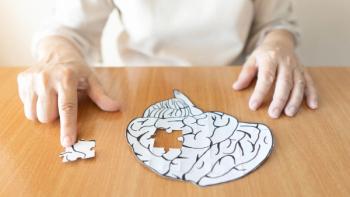
Study shows promising results for early detection and prevention efforts.

How can we bridge the gap between job-seekers in this community and inclusion-minded organizations?

Researchers discuss new research on buprenorphine, the “gold standard” treatment for opioid use disorder at the APA Annual Meeting.

Researchers performed a nationwide register-based study of primary antipsychotic nonadherence in schizophrenia.

Leaders codes of ethics: how are they similar and different?

Reflections on the new suicide hotline...

What are their clinical differences?

New results are coming for AD04, a potential treatment for patients with alcohol use disorder.
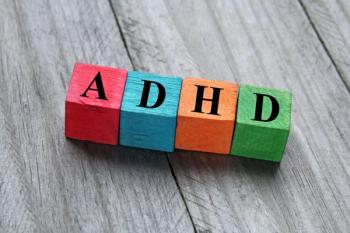
What is the connection between ADHD diagnosis and a Western dietary pattern?


Did you miss the American Psychiatric Association 2022 Annual Meeting? We've got you covered.
We keep looking to the stars, but should we be looking inside instead?

Treatment deserts are adding fuel to the fire of the opioid crisis.
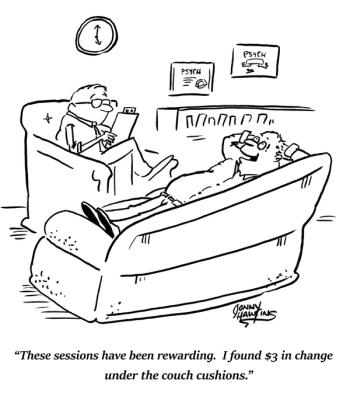
Therapy may have unexpected benefits...

What is the first thing you share with your patient when you are about to prescribe a new medication?

Exploring the assessment of psychopathy and how a better understanding of these individuals may help us prevent future school shootings.

Laughter may be one of the best medicines in psychiatry and in leadership—if used correctly.

A psychiatrist reflects on the past, present, and future for BIPOC MDs and DOs.

Exploring leadership styles... and pondering which is needed most in psychiatry.

Which treatment approaches are the state-of-the-art for helping this patient population?

"We call them The Not Dead when they crumple in an easy chair after chemo..."

"The fact is that these patients have a huge capacity to improve their lives, far more than the average person. The work done with them in a clinical setting echoes throughout their families and communities and can be some of the most rewarding work for clinicians."

With so much negativity in the mass media, stories showcasing the best in humanity can help us see the good in life.
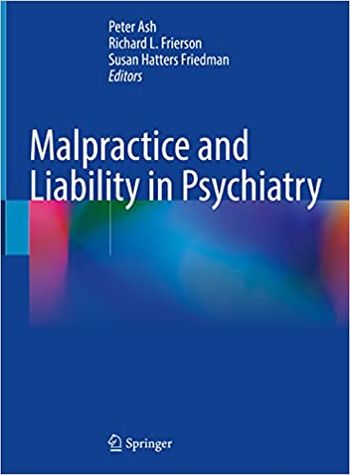
What do you do if you get sued? This new book provides a guide, with a comprehensive view of malpractice and liability issues across psychiatry.

An effect size tells us how much difference a treatment makes.