
Working with homeless patients can be exceedingly rewarding.
Working with homeless patients can be exceedingly rewarding.

"The cog in the wheel of treatment today is misinformation and lack of trust in the institutions of medicine, peer-reviewed published literature, the CDC, and pharmaceutical research."

The law presumes that individuals are rational. But what about when the patient has neuropsychiatric impairments that hinder judgement?
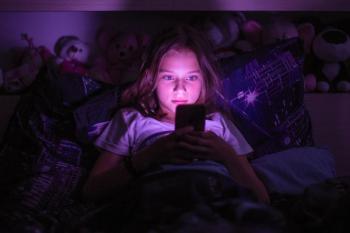
How can we meme-ify mental health for the benefit of all?
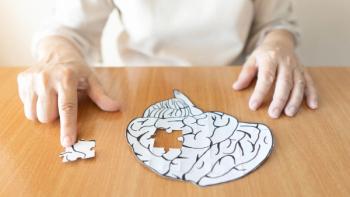
Results show comparisons between intranasal and intracerebroventricular distribution of an oxytocin derivative.

ADHD is an all-day affair, and treating it in an adult population can be difficult.

Are you ready to vote?

How did patients with BDI and obesity fare in new research looking at quality of life issues?

From the relationship between psychotic disorders and dementia risk to the major differences between bipolar I and bipolar II, here are highlights from the week in Psychiatric Times.

Experts share the benefits of motivational interviewing when working with this patient population—and how clinicians can incorporate it into their practice.

What is the impact of antipsychotic side effects on medication adherence?

A single dose of psilocybin could help patients with treatment-resistant depression, according to a new study.
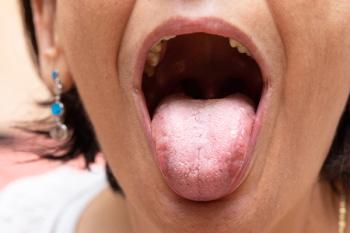
A conference poster shared an unusual case of hallucinations.

October was Hindu Heritage Month.

An expert discusses key differences and some ways to avoid missing the appropriate diagnosis in these patient populations.

Individuals with a psychotic disorder are 2.5 times more likely than those without one to develop dementia.

Shakespeare’s modern-day application has come into question. Here’s why the Bard’s lessons are relevant even today.
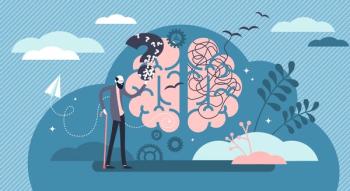
According to new research, treating depression in older adults could decrease risk of dementia by 51%.

How can we reimagine youth empowerment in order to break the cycles of dysfunction caused by trauma?

Lithium and the kidneys: Researchers analyzed the effects of withdrawal of chronic lithium therapy on renal function.

Halloween may be over, but the treats are not!
What are the scariest themes from a 50-year career in psychiatry?

The experts weighed in on a wide variety of psychiatric issues for the October 2022 issue of Psychiatric Times.

From complementary and alternative approaches in the COVID-19 era to mental health’s most toxic myth, here are highlights from the week in Psychiatric Times.

A fourth-year medical student reflects on leaving medical and entering residency—and all the patients who impacted their life.

There are no treatment guidelines for ADHD in adults in the United States, but you can still tackle this challenging diagnosis.


This crisis and hostage negotiator shares one his scariest moments from the field.

An expert reviews Thomas Insel's book and reflects on what its insights mean for our field.

Beyond the COVID-19-driven shock, we must develop a resilient future in an increasingly uncertain world.