







Three new studies on genetic risk factors and lifestyle; the transition from cognitive health to Alzheimer disease; and metabolic syndrome in depressed older adults.
Three new studies on genetic risk factors and lifestyle; the transition from cognitive health to Alzheimer disease; and metabolic syndrome in depressed older adults.

This Special Report on Geriatric Psychiatry addresses a variety of clinical issues in the rapidly growing diverse population of older adults.

Some of the thorniest ethical dilemmas in psychiatry evolve around food: forced feeding in anorexia nervosa, artificial nutrition and hydration at the end of life, and the covert administration of psychotropic medications

What underlies the higher prevalence of Alzheimer disease among older African Americans?
A look at sex differences in the neuropsychological deficits of Alzheimer disease.

Here: a review of the neurobiology and circuitry behind memory as well as current studies involving neuromodulation for memory disorders.

A look at the impact of shift work and long hours on cognitive function.

Here: what psychiatrists need to know about frontotemporal dementia. Case examples convey the variety of possible psychiatric presentations of behavioral variant FTD.

Recent findings challenge the notion that these agents can provide sustained protection against cognitive decline.
Among the clues revealed in 3 recent studies: brain amyloid, saliva biomarkers, and microvascular dysfunction.

Alzheimer disease-or dementia with Lewy bodies? Recently revised consensus criteria can help you solve this diagnostic dilemma.

Helping patients who have significant medical illness as well as mental illness is a challenge, especially when the diagnosis is unclear. Hospital psychiatrists play a critical role in the management of these behaviorally compromised patients.

The caffeine in your morning cup of java could pack a neuroprotective punch.

“Doctor, will you prescribe medical marijuana for my mother? I think it might help her agitation better than the medication you gave her last visit.”

Older adults seem willing to take a hypothetical predictive test-and plan accordingly.
Here's a case that illustrates the potential for alprazolam to create a dementia-like appearance-not to mention a premature aging of the patient.
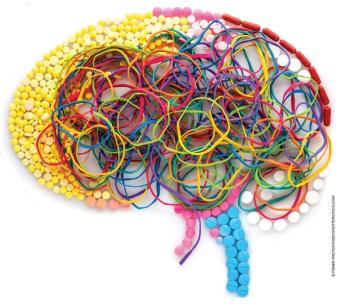
Here: a look at several natural products used to improve cognitive impairment or cognitive symptoms of dementia.
When agitation and psychosis symptoms are severe, is an antipsychotic medication an option? Not always.

The latest research on the global risk of Alzheimer disease and other dementias.
Recent data show that widespread discrepancy exists between clinical guidelines and practice patterns for ADHD, dementia, and bipolar disorders.

To honor him beyond his professional skills, let us learn some important medical lessons from the life and death of Robin Williams.

Sleep disorders represent a significant problem in patients with Alzheimer disease. Here: assessment strategies and a review of drug and non-drug interventions.

Chronic health problems like diabetes only get worse with depression. New research shows the time is now to address both concerns.

What is the most common problem in individuals with dementia?

Although delusional jealousy was described as an initial symptom in Alois Alzheimer’s first case report, little is known about its clinical features and prognosis in dementia.