

Psychiatrist Craig Katz, MD, shows how resilience-based trauma care reduces stigma, avoids PTSD overdiagnosis, and guides patients.
Psychiatrist Craig Katz, MD, shows how resilience-based trauma care reduces stigma, avoids PTSD overdiagnosis, and guides patients.

New patients with cognitive complaints could need trauma screening; CBT shows promise after acute stress.

How disaster psychiatry shifts from forced debriefs to proactive outreach, from Ground Zero to COVID wards—building trauma-ready community care.

Learn why SSRIs impair sex and how bupropion, PDE5 inhibitors, buspirone, and newer agents can prevent or reverse antidepressant sexual side effects.

Experts unpack screening for sexual dysfunction in psychiatric care, menopause and meds impacts, and when flibanserin may help restore desire.

Clinicians learn how to assess and treat sexual dysfunction in depression, menopause, and psych meds—plus drug options that preserve desire and arousal.

Experts weigh benzodiazepine benefits, dependence myths, and safer prescribing in older adults, including what evidence really says about Alzheimer risk.

Experts unpack benzodiazepines in seniors: Beers Criteria, fall risk, Alzheimer bias, and practical low-dose, mindful prescribing strategies.

Clinicians weigh benzodiazepine benefits against dependence fears, with expert guidance on safe prescribing, withdrawal tapering, and long-term anxiety treatment choices.
Learn how community-based supports, clinician self-reflection, and culturally responsive systems close mental health gaps beyond the clinic.
Why care improves when clinicians ask about housing, work, money and access—using culturally responsive tools to uncover hidden stressors.
Learn how psychiatrists ask about identity with curiosity, transparency, and cultural humility—building trust, reducing assumptions, and shaping culturally informed treatment plans.

Experts unpack when benzodiazepines help or harm, tapering myths, older-adult risks, and why Alzheimer links may be overstated.

Learn how clinicians reframe side effects, curb nocebo, and boost outcomes using expectation, open-label placebos, and conditioning in psychiatry.
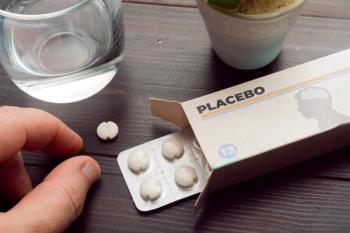
Experts discuss the impact of the placebo effect on psychiatric treatment outcomes.

Experts unpack placebo and nocebo effects in psychiatry, revealing how expectation, framing, and alliance boost outcomes and curb side effects.

Learn how clinicians tackle mood and substance use disorders together, boost patient engagement, and expand evidence-based addiction medications for bipolar and alcohol use.

AI is reshaping psychopharmacology—from TRD prediction to digital phenotyping—while exposing data limits, workflow hurdles, and safety risks in suicide tools.

Explore how to manage mood and substance use disorders together, boost engagement, and expand addiction medications.

Experts reveal why psych medication nonadherence is common, how to discuss it without blame, and tools like CAE and injectables to prevent relapse.

Experts unpack why most psychiatric care relies on off‑label meds, how neuroscience guides safe polypharmacy, and what could reshape FDA approvals.

How AI can aid everyday psychiatry—TRD prediction, suicide risk, and smartphone phenotyping—plus why data quality and workflow still block adoption.

Experts urge early bipolar disorder treatment, highlighting lithium’s underuse despite neuroprotective, antisuicidal benefits and evidence that delays worsen outcomes and responsiveness.

Experts explain how careful pediatric psychopharmacology and early intervention protect development, curb relapse, and address substance-use risk.
Expert psychiatrists share new ASCP deprescribing guidance, tackling overprescribing, primary-care challenges, and practical tapering strategies to improve safer, patient-centered mental health care.

Explore psychopharmacologic options for personality disorders in this podcast.
Explore why sexual health matters after 65 and how clinician comfort boosts disclosure.
Learn more about medication use in pregnancy and postpartum, including risks and benefit analysis.
Analysis of speech, acoustics, and facial cues reveals early psychosis and suicide risk.
Guidance on psychotropic meds in pregnancy: personalize decisions, coordinate care, and plan early to prevent postpartum relapse.