





Anxiety Disorders
Latest News
Advertisement
Latest Videos









Shorts
Podcasts





CME Content



Advertisement
More News

A new US Department of War backed phase 2a study will test BXCL501's efficacy in easing acute stress reactions and preventing PTSD.

A novel form of agomelatine shows positive initial results.

An interview with Felice Jacka, OAM, PhD, on the rapidly developing field of nutritional psychiatry.

New phase 2 data show HLP004 boosts standard antidepressants for moderate-to-severe GAD.

New research highlights psilocybin's potential in treating treatment-resistant OCD, while cannabinoids show little evidence of efficacy.

Preclinical mGlu7 negative allosteric modulator ADX71743 disrupts fear-memory reconsolidation.

Athletes navigate stress as a performance factor, learning to harness it for optimal results through effective management strategies and support systems.

Fasedienol for Social Anxiety Disorder Does Not Demonstrate Significant Improvement in Phase 3 Study
Vistagen's fasedienol fails to show significant efficacy in treating social anxiety disorder, despite favorable safety data from the PALISADE-3 trial.

Incannex Healthcare's PSX-001 shows promise in treating generalized anxiety disorder, offering innovative, effective solutions beyond traditional therapies.
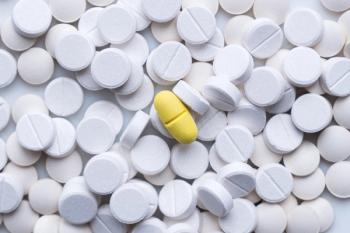
Explore how placebo effects vary across psychiatric disorders, revealing significant symptom improvements, especially in major depressive disorder and generalized anxiety disorder.
Semaglutide shows promise in enhancing cognitive function for individuals with psychiatric disorders, particularly improving memory and overall cognitive outcomes.

Synendos Therapeutics reveals promising phase 1 results for SYT-510, a novel ECS modulator targeting anxiety and CNS disorders with potential for improved patient outcomes.

New study shows lumateperone (Caplyta) significantly improves symptoms in major depressive disorder with anxious distress, offering hope for treatment-resistant patients.

New research reveals ART12.11, a cannabidiol:tetramethylpyrazine cocrystal, significantly enhances mood regulation, outperforming traditional cannabidiol in treating mood and anxiety disorders.

Neuphoria Therapeutics announces successful enrollment in a pivotal trial for BNC-210, a promising treatment for social anxiety disorder.

Incannex Healthcare shared positive data from its phase 2 clinical trial of PSX-001, a psilocybin-assisted psychotherapy treatment for generalized anxiety disorder.

Youth with neurodevelopmental disorders face significant suicide risks.

Exploring the impact of fermented foods like sauerkraut on social anxiety, revealing surprising insights and practical solutions for mental health.

Discover the transformative power of pausing and resetting through meditation and breathing techniques for enhanced well-being and resilience.

Seaport Therapeutics initiates a pivotal study for GlyphAllo, a potential breakthrough treatment for major depressive disorder, with or without anxious stress.

Marc Potenza, PhD, MD, explores the impact of online social activity on ADHD symptoms in adolescents, revealing significant gender differences in brain development and attention.

Augmented reality can transform psychiatric treatment, enhancing exposure therapy for trauma and anxiety by simulating real-world environments and interactions.

In this CME article, learn more about the essential role of MAOIs in treating resistant depression and anxiety.

Uncertainty fuels anxiety, yet knowing outcomes—even grim ones—can bring relief.

Effective diagnosis and treatment of comorbid disorders in patients with bipolar enhance care and lead to more optimal mental health outcomes.
Advertisement
Advertisement
Trending on Psychiatric Times
1
Podcast: Early Intervention & Psychopharmacology in Bipolar Disorder With Robert M. Post, MD
2
Suicide Risk Assessment in Patients Denying Suicidal Intent
3
New Positive Phase 2 Topline Data on Elunetirom for the Treatment of Bipolar Depression
4
“Engineered Addiction”: Redefining Addictive Disorders and the Psychiatric Impact of Social Media
5